Our Document Scanning Services
Converting Your Documents to Digital Format Will Save You Time & Money

FAQs
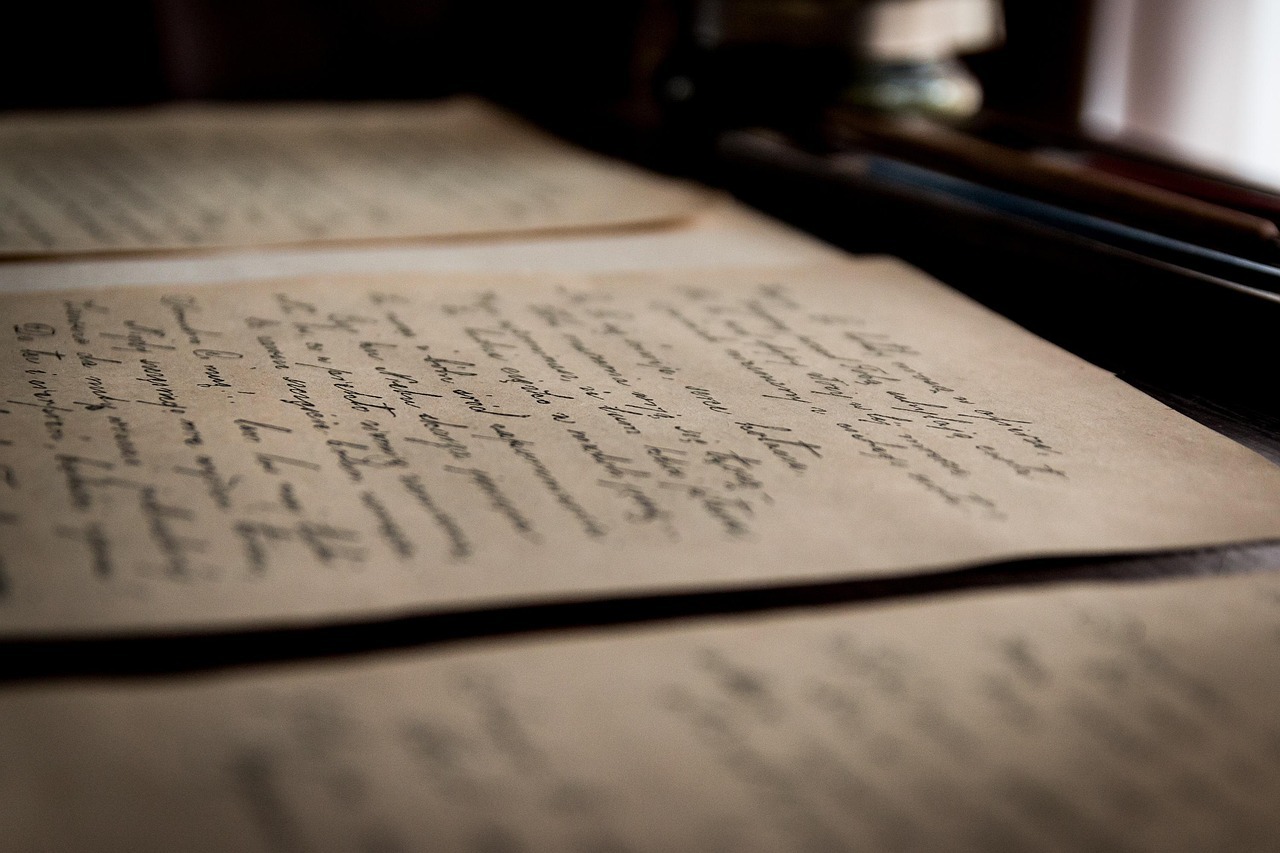
Process for Handling and Organizing Documents: Our process depends on the type and condition of the materials. When collections arrive, we review everything and select the appropriate equipment, whether that is an auto‑feed scanner, a robotic arm system, or overhead scanners for fragile or rare items. If you do not already have a manifest or inventory, we create one so every item is logged and accounted for. Our operators are trained in archival handling, so delicate materials are treated with care throughout the project.
Capacity for Large Volume Projects: Yes, we regularly complete large and complex projects. We have digitized full HR archives for major pharmaceutical companies and are a long‑standing vendor for Princeton University, where we have completed multiple collections including their endowment files. We also support publishers such as Cengage and Adam Matthews on projects for organizations like The National WWII Museum, and we have worked with the American Antiquarian Society for more than twenty years. High‑volume work is part of our everyday operations.
Document Scanning and Digitization Services: We work with almost every type of document. This includes books, correspondence, meeting minutes, newsletters, newspapers, magazines, and other common materials. We also handle more specialized items such as maps, architectural drawings, microfilm and microfiche, and a wide range of multimedia including photographs, slides, negatives, 8mm and 16mm film, VHS, Mini DV, audio cassettes, and reel‑to‑reel recordings. If it needs to be digitized, we can almost always accommodate it.
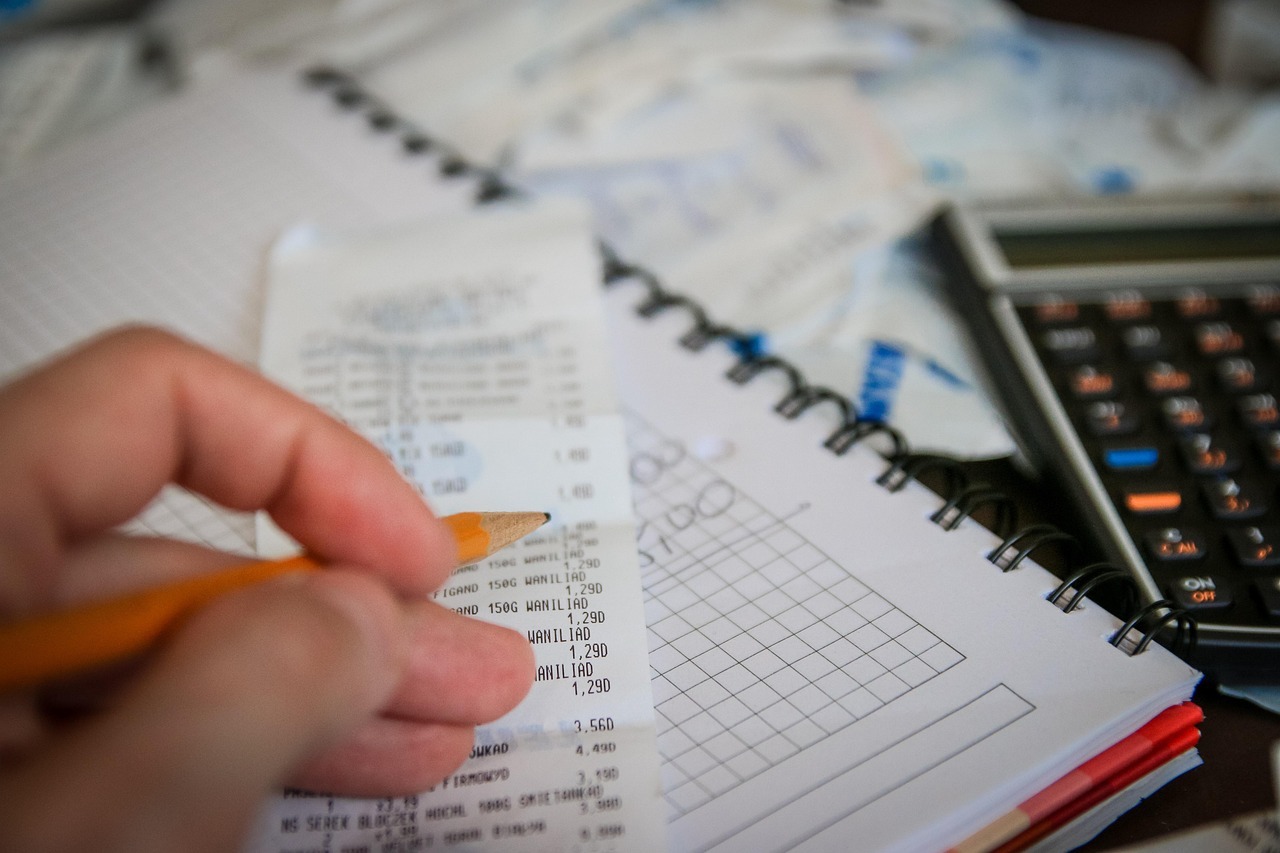
This is where AI-powered OCR (Optical Character Recognition) and Metadata Tagging come in. Every document is indexed with specific “tags”—such as date, client name, or invoice number. Because the AI “reads” the entire document, you can perform a full-text search. It’s the difference between looking for a needle in a haystack and having the needle tell you exactly where it is.
These items require specialized equipment. For rare or tightly bound books that cannot be opened 180 degrees, we use V-cradle scanners that capture high-resolution images while the book is only partially open.
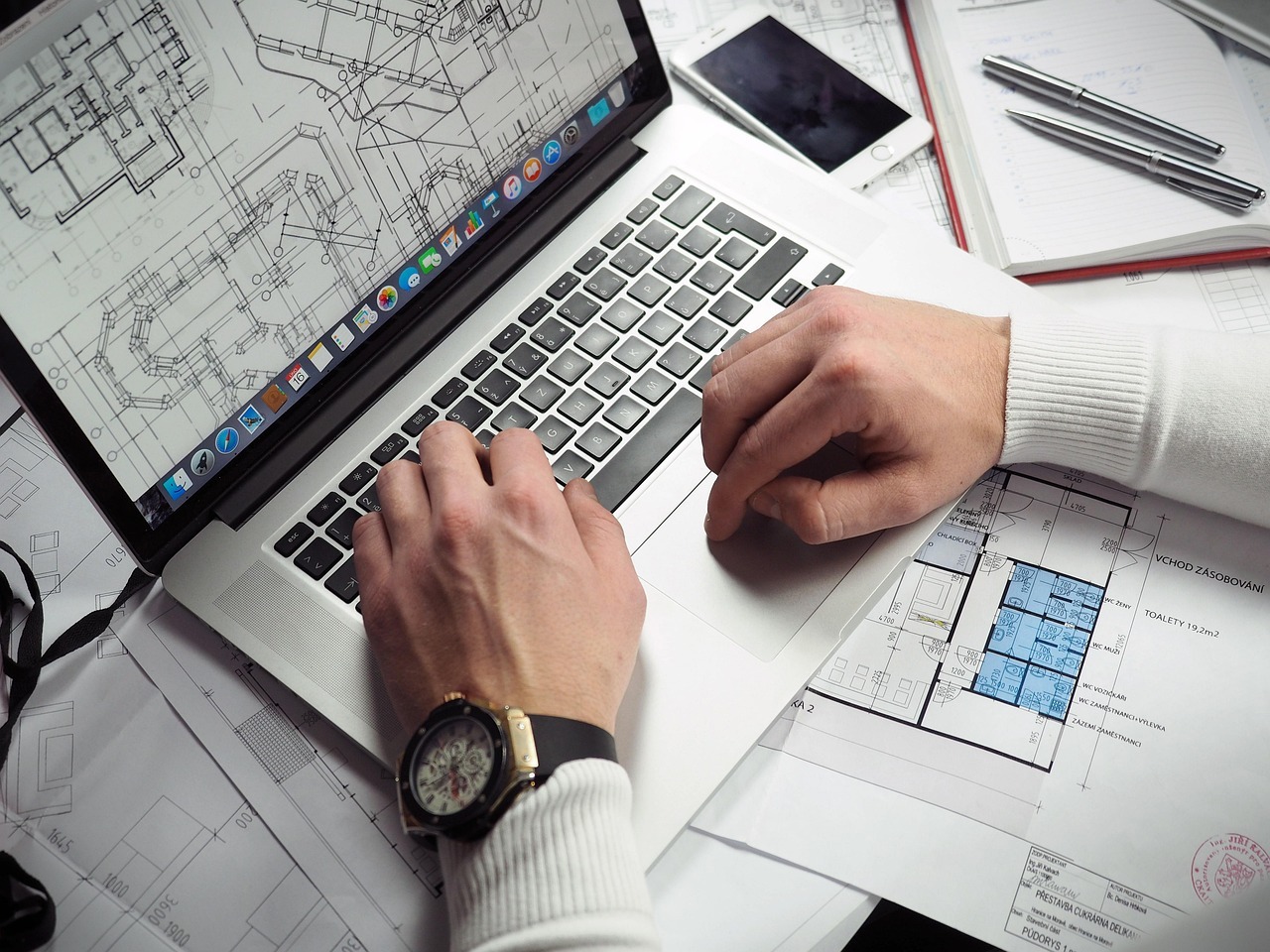
For oversized items like blueprints or broadsheet journals found inside books, we use large-format overhead cameras to ensure every detail is captured without stress to the paper.
We provide files in whatever format best fits your workflow. The most common are searchable PDFs, TIFFs, and JPEGs. We can also provide data in XML or CSV formats for easy import into your existing Document Management System (DMS).
Yes. We offer “Scan-on-Demand” services. If you urgently need a file that is currently in our queue, our team will locate it, scan it immediately, and securely email or upload it to you within hours.
We offer three options: we can securely return your documents in their original order, provide long-term archival storage, or perform certified shredding with a Certificate of Destruction once you have verified your digital files.
Yes. We use specialized large-format overhead scanners for items like architectural blueprints, maps, and fragile historical newspapers. This non-destructive scanning method captures high-detail images without putting stress on the original material.
Absolutely. Security is our top priority. Our facilities follow strict Chain of Custody protocols, and our staff is background-checked. We maintain compliance with HIPAA and other data privacy regulations to ensure your sensitive information is protected from the moment it leaves your office.